How prescription and over-the-counter weight loss medications compare
There is no single best weight loss drug for every patient. The right choice depends on eligibility, other health conditions, side-effect tolerance, pregnancy plans, cost, insurance coverage and whether injections or tablets are acceptable. Waist changes, average weight, energy and strength can move at different speeds; use more than one indicator of progress.
Who may qualify for prescription treatment
In the United States, long-term weight-management drugs are commonly considered for adults with a body mass index of at least 30, or at least 27 with a weight-related condition such as hypertension or type 2 diabetes. Product labels, clinical circumstances and insurer rules can differ, so BMI is a screening tool rather than the entire decision.
A prescriber should review weight history, previous efforts, eating patterns, current drugs, cardiovascular risk, kidney and liver function when relevant, and contraindications. Weight-loss drugs are not used during pregnancy, and pregnancy planning should be discussed before treatment.
- Ask whether any current medicine may promote weight gain and whether a suitable alternative exists.
- Discuss a clear response target and the point at which an ineffective drug would be stopped or changed.
- Verify prior authorization, copay and ongoing availability before committing to a plan.
Major prescription medication types
Incretin-based injections, including GLP-1 receptor agonists and dual GIP/GLP-1 medicines, can reduce appetite and slow stomach emptying. They often produce greater average weight loss than older drugs, but gastrointestinal effects are common and individual product warnings matter.
Oral options include phentermine/topiramate, naltrexone/bupropion and prescription-strength orlistat. They work through different pathways and have distinct concerns involving blood pressure, mood, seizures, pregnancy risk, drug interactions or gastrointestinal effects.
- Do not compare drugs only by average pounds lost; compare contraindications and discontinuation rates too.
- Ask how the medicine affects diabetes or blood-pressure treatment, since doses may need adjustment as weight changes.
- Report severe or persistent abdominal pain, repeated vomiting, dehydration or other significant symptoms promptly.
What happens after medication is stopped?
Obesity is often a chronic condition, and appetite or weight can rebound after an effective medication is withdrawn. Before starting, ask whether long-term treatment is feasible and what maintenance plan would be used if the drug becomes unaffordable, unavailable or poorly tolerated.
Recommended Products
What OTC weight loss pills can actually claim
OTC orlistat, sold at a lower dose under the Alli brand, reduces absorption of some dietary fat. Oily spotting, urgency and other bowel effects are more likely with high-fat meals, and users should follow the label's vitamin-separation directions.
A weight loss pill sold at CVS or another pharmacy is not necessarily an FDA-approved drug. Retail shelves contain both medicines and dietary supplements; the Drug Facts panel identifies an OTC medicine, while supplements carry a Supplement Facts panel. Waist changes, average weight, energy and strength can move at different speeds; use more than one indicator of progress.
- Confirm whether the package says Drug Facts or Supplement Facts.
- Ask a pharmacist to check interactions and whether orlistat is appropriate with your medical history.
- Avoid products claiming to be a nonprescription equivalent of a prescription-only injection.
Safety issues that change the decision
Online screening can be convenient, but safe prescribing still requires accurate health information and access to follow-up. Use a state-licensed prescriber and a licensed pharmacy, and be cautious with sellers that provide medication without a prescription.
Compounded products are not the same as FDA-approved brand or generic drugs. Compounding can have a legitimate role in certain circumstances, but compounded versions have not undergone the same premarket review for safety, effectiveness and manufacturing consistency.
- Disclose pregnancy, breastfeeding, pancreatitis history, gallbladder problems, seizures, eating disorders and significant mood symptoms.
- Confirm the exact active ingredient, concentration and dosing device.
- Never combine prescription treatment with stimulant-like supplements unless the prescriber has reviewed the combination.
Questions to take to a prescribing visit
A productive appointment should end with a monitoring plan rather than just a prescription. Ask how benefit will be measured, which adverse effects require urgent attention and how nutrition will be protected if appetite falls sharply.
- Why is this medication preferable for my health history?
- What result is realistic, and by when should we reassess?
- Which side effects are common, and which are urgent?
- Will it interact with my medications or supplements?
- What will the monthly cost be after introductory offers end?
- How will we preserve muscle and avoid inadequate nutrient intake?
Supplements for Weight Loss
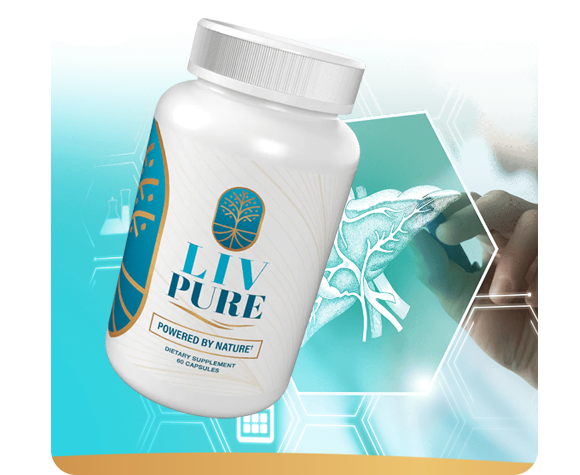
LivPure
LivPure brings together silymarin, berberine, betaine and choline in a formula aimed at liver wellness, energy metabolism and cellular antioxidant defense. Silymarin and glutathione contribute antioxidant support, while betaine and choline are involved in normal liver fat processing. For weight loss, its silymarin, betaine and choline emphasize healthy liver function and normal handling of dietary fats.
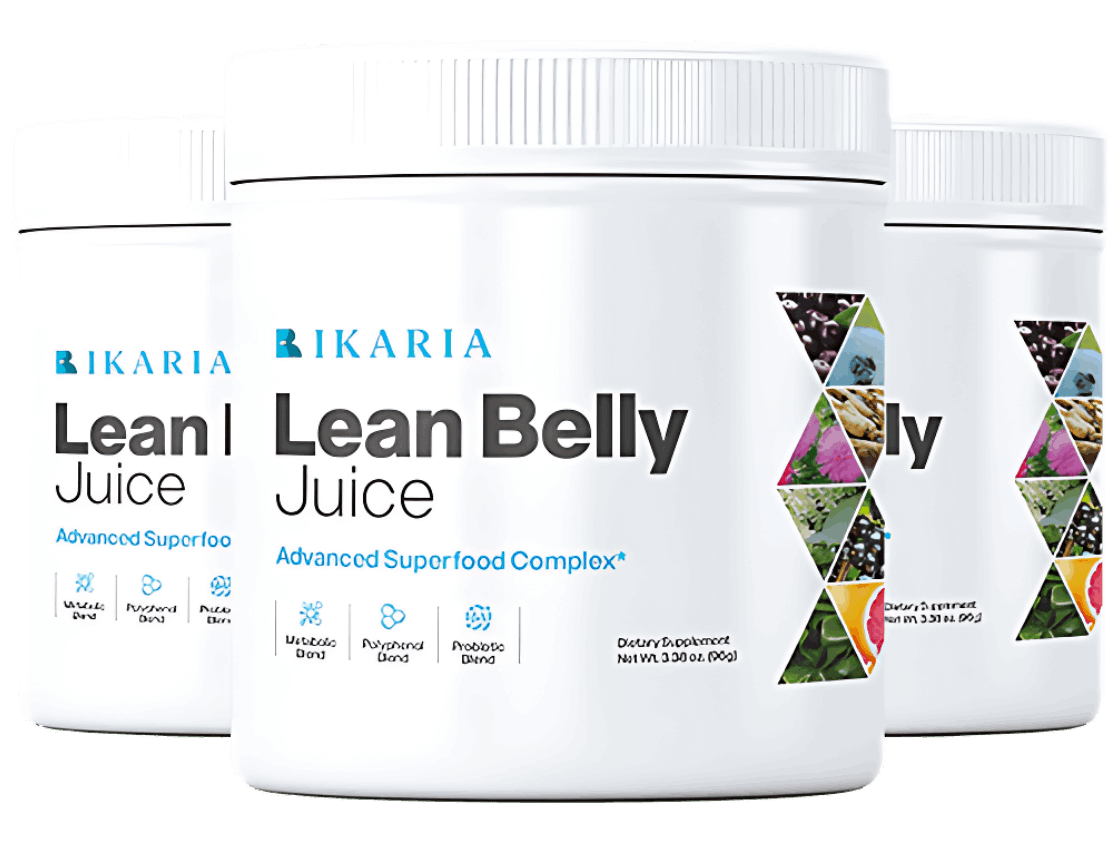
Ikaria Juice
Ikaria Juice combines green-tea polyphenols, citrus pectin, turmeric, dandelion and milk thistle with inulin and a multi-strain probiotic blend. Inulin helps nourish beneficial gut bacteria; the fruit and green-tea extracts add an antioxidant-focused complement. For weight loss, the inulin and probiotic blend targets digestive comfort and an everyday gut-health routine.
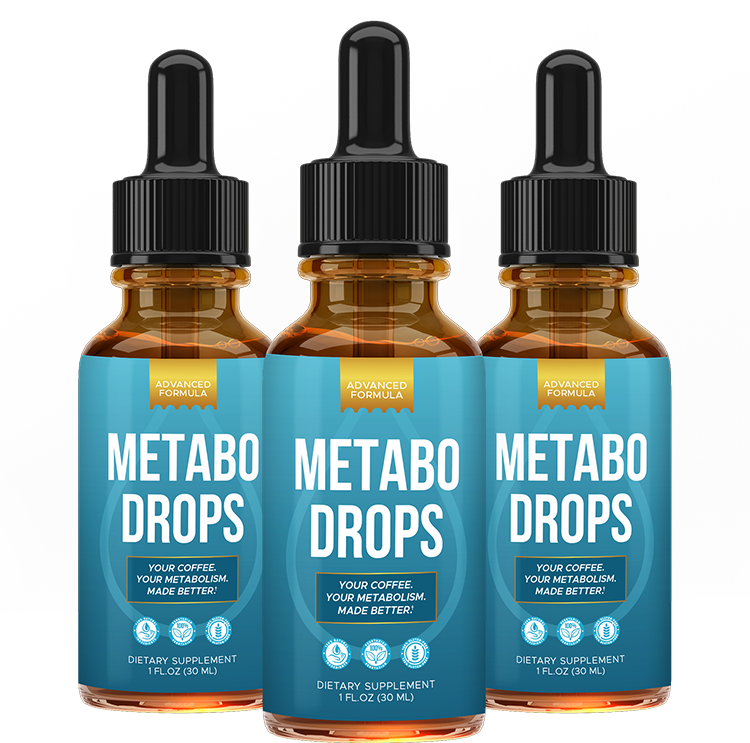
Metabo Drops
Metabo Drops adds chlorogenic acid, green-tea extract, chromium, L-carnitine and L-theanine to coffee in an easy-to-mix liquid. Its chromium and chlorogenic-acid combination targets everyday carbohydrate metabolism, while L-carnitine relates to cellular energy production. For weight loss, chromium and botanical polyphenols offer targeted nutrient-metabolism support in a coffee-friendly format.
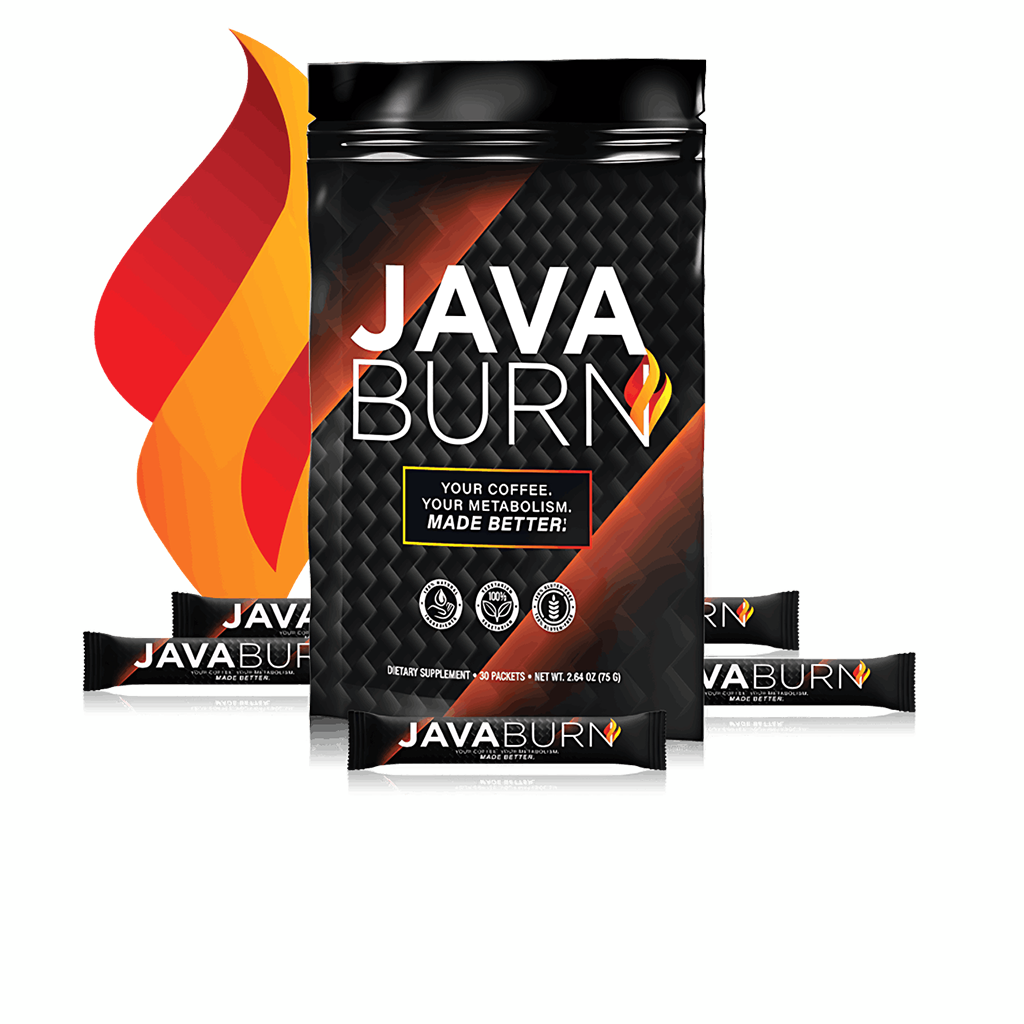
Java Burn
Java Burn mixes into hot or iced coffee and contains green-tea extract, green-coffee chlorogenic acids, L-carnitine, L-theanine, chromium and B vitamins. L-carnitine participates in fatty-acid transport, while L-theanine is intended to complement coffee alertness with a calmer focus. For weight loss, chromium and botanical polyphenols offer targeted nutrient-metabolism support in a coffee-friendly format.
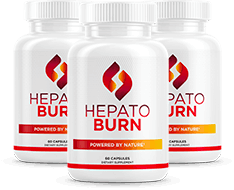
HepatoBurn
The HepatoBurn formula pairs liver-support nutrients such as choline and betaine with milk thistle, glutathione, green tea and resveratrol. Choline and betaine support normal liver lipid metabolism, while silymarin, glutathione and resveratrol add an antioxidant emphasis. For weight loss, its silymarin, betaine and choline emphasize healthy liver function and normal handling of dietary fats.
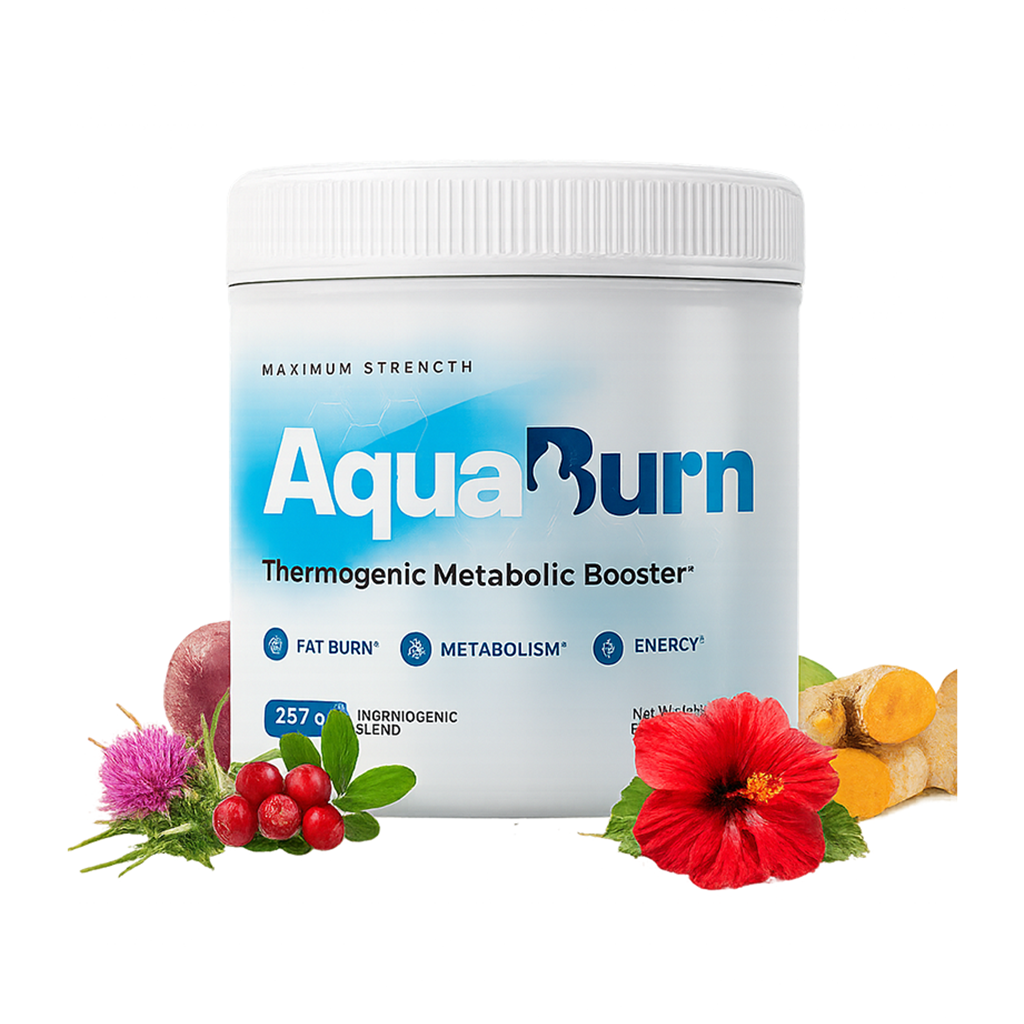
AquaBurn
The AquaBurn botanical blend contains fucoxanthin, green tea, quercetin, resveratrol and turmeric, with ginger and ginseng contributing digestive and vitality support. Fucoxanthin and green tea give AquaBurn a metabolism-focused botanical profile, complemented by ginger, ginseng and plant polyphenols. With weight loss, its green-tea or fruit polyphenols and selected botanicals provide a focus on energy and antioxidant wellness.
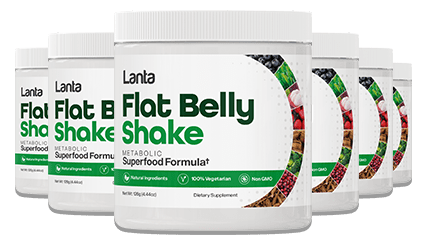
Flat Belly Shake
Flat Belly Shake uses a mix-with-water format to make a planned shake easier to fit into busy mornings and structured eating schedules. A prepared shake can simplify a planned breakfast or snack; the actual protein, fiber and calorie amounts on the current label determine how filling it may be. For weight loss, the measured drink can contribute to portion planning when its nutrient panel suits the meal.
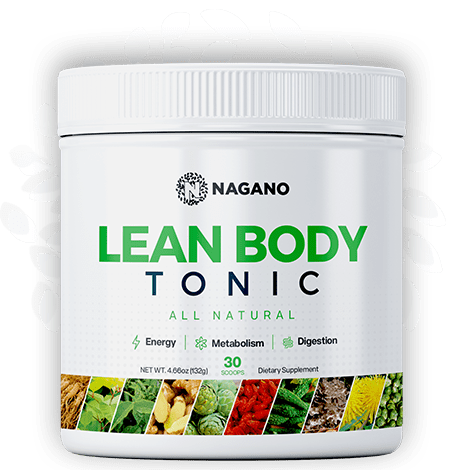
Nagano Tonic
Nagano Tonic is a powdered drink mix made with botanicals and nutrients including camu camu, green-tea EGCG, mangosteen, ginger and inulin. Its formula is promoted for daily metabolic, energy and digestive support; it is not a substitute for balanced nutrition or medical care. When comparing options alongside weight loss, review the ingredient label and seller terms before ordering.
Frequently Asked Questions
No drug is best for everyone. Incretin-based drugs often lead to greater average loss, but an individual's safest choice may differ because of medical history, interactions, side effects, route of administration, access or cost.
Alli contains lower-dose orlistat and can produce modest additional weight loss when paired with a reduced-calorie, lower-fat diet. Gastrointestinal effects and medication interactions mean it is still worth consulting a pharmacist or clinician.
Usually not. Gummies marketed for weight control are commonly dietary supplements, not FDA-approved medications, and their evidence depends on the specific ingredients, doses and product testing. Confirm eligibility and side-effect monitoring with the prescriber.